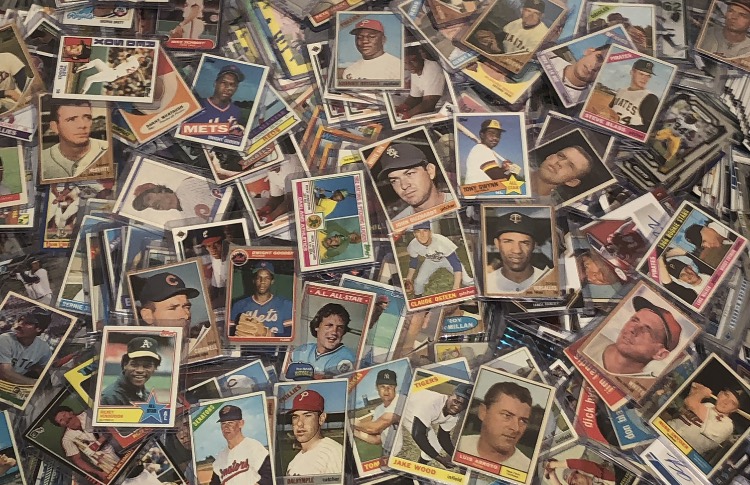
Some people put a date or a range of card sets that they consider vintage in their definition of vintage sets. In my decades of collecting, I typically define vintage as something that is old enough to be considered a popular classic by the masses (the older the better because time travel into the past is physically impossible at the moment) and in decent condition that people would enjoy viewing. Ever wonder why multi-trillion dollar companies split their shares or issue millions of shares for a price regular people can afford? Like in life, there is no such thing as absolute-absolutes, only relative comparisons. Not all good stories starts with happily ever after, in fact, some begin with an evil step mother or a destitution. I look at an investment first at the systemic level. That means I typically have already identified an asset class as viable investment options for me before I do additional research. A high tide lifts all boats regardless whether the high tide is caused by nature like gravity or by humans like dumping a large number of cards into the ocean. After observing the tide movement, the savvy investors try to look under the waters to study what happens when the tide ebbs and that is typically when causality may be explored.
As I live with a futurist mindset, I do not feel comfortable paying anything that the sheep flock cannot afford. To put it bluntly, unlike in certain societies abroad, the economic vitality in much of the American aligned western world depends on these people to work and spend, frequently in advance of actual outputs. That is why I typically spend a penny to below five hundred to invest in various items that I enjoy and that ultimately will yield a better outcome for me. In reality, it’s usually the cheapest things that end up being most expensive anyway because most people take these things for granted and therefore never true appreciated its value until they miss the boat.
Most people don’t realize some of the biggest portions of investment expenditure is actually time and opportunity cost not the initial financial expenditure. Everything that is worth something now all derived from something that initially was near free. Like natural resources such as land and knowledge that ultimately become innovation and technology. All these things became expensive overtime because of economics. Nominally free things are never truly free because nothing is ever free. Free things take me too much time to figure out its real cost. You may be able to homestead land centuries ago, however,you still had to defend it with whatever methods you had to do it based on your level of morality, adherence to the law and the social contract kind of like with everything today for example reputation, intellectual property and pretty much everything. You can’t tell me there is no cost associate with all of that. I was going to write a whole paragraph detailing my elite background that you probably don’t have and are even considered rare on Wall Street, in Silicon Valley or K Street but after further thoughts, I decided to channel my energy to getting rich from “husbandry.” For these reasons, there is absolutely no where else I want to be at now than in America. I live in America which means I have the rights to exercise reasonable free speech as permitted by the law. All posted content(s) on this website are my opinions only which means they should not be taken as advice of any kind. I am a non-celebrity, non-public figure posting anonymously for my own entertainment on a website that is not affiliated with any individual(s), organization(s) and/or any entity/entities.
Let’s talk about my vintage cards collection.
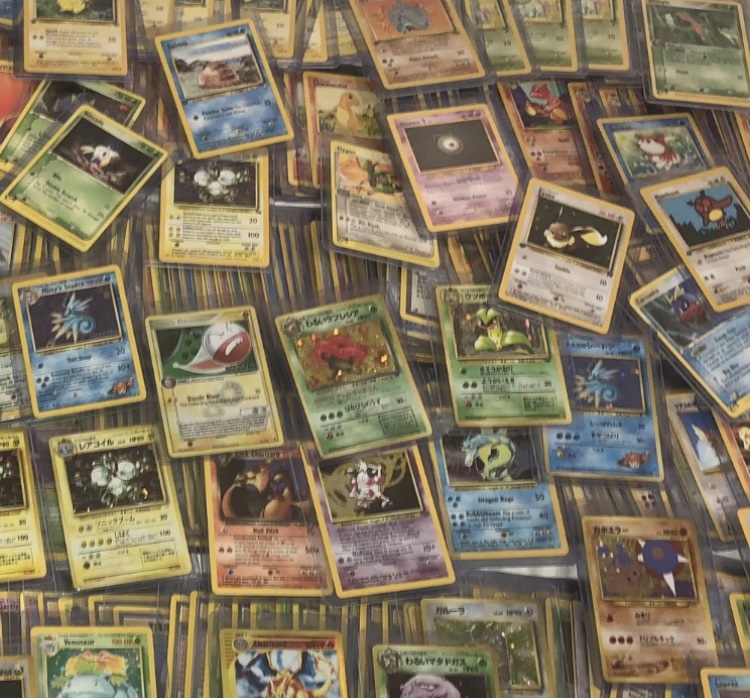
If you followed the markets, you know many collectibles rise because of popularity of certain themes but what is equally important is its affordability to its target market. I am skeptical of large transaction amounts with only few bids. The potential for manipulation on these are high. With collectibles, you could probably securitize the underlying assets through creating derives like equity products such as REITs making these assets fungible, however, the underlying assets themselves are non-fungible and not as liquid as publicly traded equities. Not understanding this concept is kind of like earrings chicken nuggets and not thinking about the chicken.* Investing in fungible goods frequently involve benchmarking against some type of parameter and also having to rely on one’s judgment because of the uniqueness of each item.
Certain assets are just a popular social media influencer or two’s endorsement away from becoming big time. If a certain card from a not to be named 1952 card set is so valuable because of reason x, why isn’t the same happening to the rest of the cards in the set at various justifiable multipliers? If the vintage Pokemon card boom is any indication of a high tide lifts all boats in that harbor, it certainly appears there is a reasonable probability of the effect possibly happening elsewhere within similar asset classes.
If you are one of the historical GOAT contenders of the hobby, you probably know how hard it is to buy certain vintage stuff offline. I am consciously making a trust factor distinction between offline transactions regardless whether it is on card or sticker autographs issued by known card companies versus its online equivalents. When dealers have a desire to buy certain items as an indicator of market demand and they can not easily obtain these items from the supply side of the market, that typical is a clue that either collectors may be conspicuously and non-violently boycotting current market valuation mechanism for the assets they possess or there truly are not that many left of those item to sell to begin with. The distinction definitely matters in pricing valuations which is basically just a multiplier issue, however for all intents and purposes, I will likely start buying those assets immediately by paying around asking price. In this regard, dealers in realpolitik terms may just be pawns of the capitalism game for that marketplace.