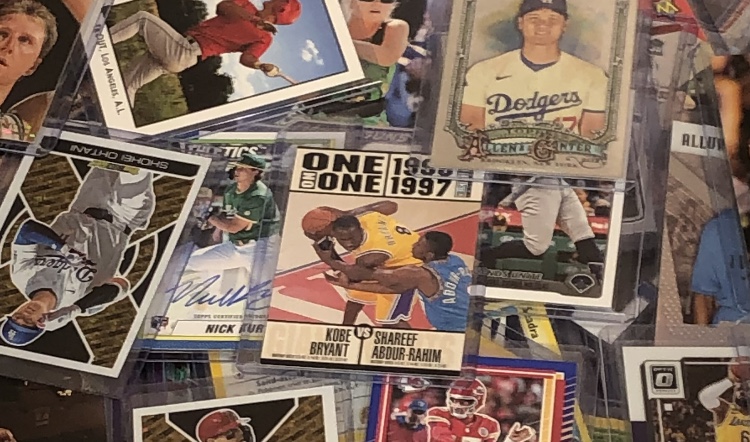
The best type of chase cards are the ones no one is currently chasing and you have good reasons based on reliable data and analysis that these cards will increase in value in the future. There are tons of reasons why this could occur and there are mega tons of examples of this happening every single second in the collecting world. Why? Because most people don’t have the capabilities, interest and/or the time to keep up with everything at everywhere and at every second. AI will likely not be able to make this valuation process any more efficient due to ethical and privacy reasons for at least a decade or so. Until there comes a day when the US have super apps, AI will likely not be allowed to go this far. You know what cards I like to chase? Yes, I sure do like RPAs but that’s only my second favorite type of card to chase. My favorite are serendipity error base rookie cards that does not distort the aesthetics of the card, are likely unrepeatable due to cost restraints and lack of intentions and no one initially cares about or even know it exists. In terms of error cards, I believe the combination of crimp error, miscut, crimp, an error that later get corrected, miscut to the player’s name section of the card, inclusion of another player’s name on the card and printer ink/coloration error make a base rookie a very valuable chase card. Wait what? Why? And why only base rookie cards.
Some thing that is desirable and generate tangible values usually need to be well-known and accessible to the common person, sort of. Yes, simple errors like a miscut, a crimp, an error that later get corrected or a printer ink/coloration error on their own are probably not that rare. But for all these things to happen at once plus some do you know how rare that is? Besides the probability of this many mistakes to occur concurrently in the first place and whether it get caught or not by the quality control before it get put into a product and ship out, think about what typically could happen to a card that does not confirm in a product. Due to the lack of conformity in a pack let’s say, the crimp itself could possibly rub against other cards the whole time it is being moved around during shipment. There are also many people who see these errors as simply “defects” rather than valuable error cards and just throw it away or put it into the common card pile. Even if someone realize it’s an error and might be worth something, because the concurrent non-informed way of valuing error cards and the small market for these collectibles, these cards frequently are sold at enormous discounts. Back to the question, why do I like collecting this types of errors on base rookie cards? Most people like to own something very exclusive and things that are exclusive are usually purchased by the wealthy relatively quickly. Yeah? But rookie base cards are so common. True, but do you know what makes something exclusive? Hmmm…yeap.
I live in America which means I have the rights to exercise reasonable free speech as permitted by the law. All posted content(s) on this website are my opinions only which means they should not be taken as advice of any kind. I am a non-celebrity, non-public figure posting anonymously for my own entertainment on a website that is not affiliated with any individual(s), organization(s) and/or any entity/entities.
Best type of chase card.
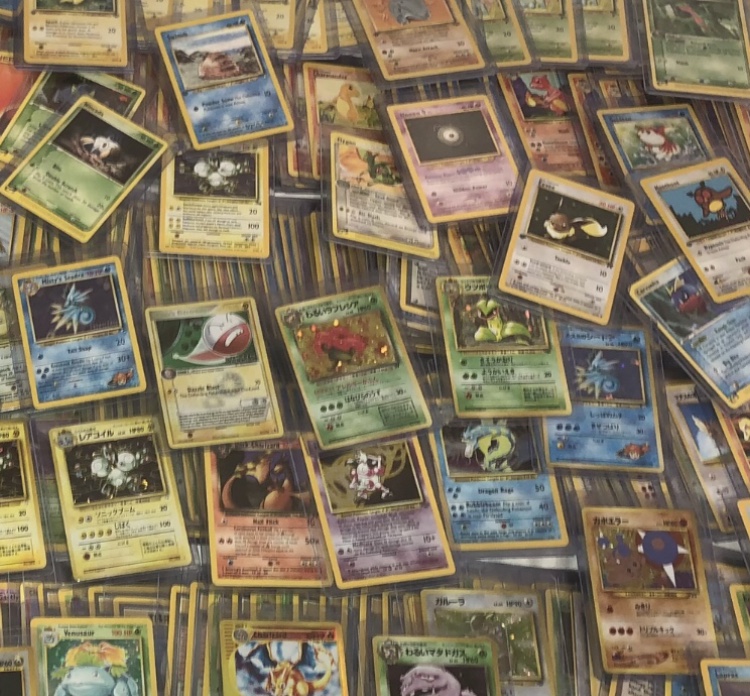
At the end of the day we are still social animals who needs recognition to feel good about ourselves. If this was an error on an extensive card that the mass couldn’t afford anyway, there will likely be less visibility, collectibility and desirability for most common people as they never had the opportunity to even experience it or see it for themselves. Yes, there are also luxurious things that are highly desirable that most people probably never heard of that are highly desirable too. Almost no one who is opening up a pack is chase an error card and card companies almost never market an error card as the primary chase card. Even when you think about some of the most notable error cards like a particular baseball card from the late 1980s that had to have multiple versions of corrections, that card by my standard is still massively printed and I wouldn’t necessarily classify that error as an unintentional error as someone may have intentional write something on the baseball bat knob and someone either intentionally or unintentionally took a picture of that and released it to the public. What I am talking about here are errors no one in their right mind wanted to make and may actually be contrary to their best interests. They say necessity is the mother of all invention which ironically helped a lot of people but as time go on it loses its initial value as new things are build upon it.
These error cards were never necessary to begin with and in all honesty could jeopardize a company’s expensive printing equipments, increase cost, decrease customer satisfaction and ultimately hurt their brand equity which could translate into less sales, lower margins and being perceived as a not so premium brand/product. This is precisely why card companies and any company really does not want to market any “errors” as something valuable as it tarnished their image. Their image is actually one of their biggest moats to survive and strive. If these errors happened to a super rare or even semi rare card it would not bring the type of ROI I believe this may yield in the future when more people recognize this and when this industry become more analytic and more mainstream investable. Almost everyone who like cards or seen cards probably seen some of the most iconic cards, frequently a ubiquitous rookie card of a GOAT or a GOAT of GOAT. That’s hundreds of millions of people including its peripheral societal impact which includes their annoyed family members and friends. All jokes aside, that’s a lot of people who know of a particular rookie card but would probably be in awe of an unique 1/1 RPA of that card that has never been seen before or even been reported about ever. You can probably imagine how big of a flex that is and it might be one of the most smooth, genuine and legit flex ever as at that point it’s not even about the money, it’s literally newsworthy and a historical moment. That kind is an important part of some kind of history. Can you imagine bypassing spending millions on a 1/1 Logoman RPA altogether and just find a legally compliant yet inexpensive way for the athlete to just sign and put the signing date on the card and put a 1/1 next to it? That’s an expensive 1/1 RPA. But wait, where is the patch at?
Here is the thing, the patch doesn’t actually have to be a patch, it can be a memorabilia. I can’t think of a better memorabilia for a given card when the featured athlete touches the card and leaves a sweat stain on the card after their first game in the league or when they achieved some kind of important milestone. Yes, certain grading companies will give a lower grade for that but do you really need to grade a 1/1? Maybe just authenticate it? Those combination of errors will always be 1/1 because the printing machine typically move very slightly for each printed sheet anyway and coloration may also be slightly different each print. Adding that to the fact that the player wrote all those things on that card during their rookie year plus their real rookie year sweat memorabilia, that’s a 1/1 no one can possibly predict. Of course, not every athlete will agree to do this just like even if every athlete did this there is usually only one consensus GOAT when there is a consensus GOAT in a given sport which means if all those combination of things happened in which quite a few things in that sequence are literally unpredictable and time sensitive, that translates in economic terms if such a card like that does exist of the GOAT possibly GOAT of all GOATs, it will probably innately be worth a lot of money not just because it is exclusive and expensive, but it’s historical significance makes it priceless. We as collectors do not just collect things for its aesthetics or value, we are at the core of it curators of history by preserving important relics that rewrite history.