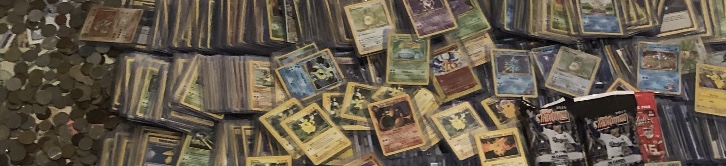
I think this depends on your capabilities if I am being honest. This is akin to asking if buying 10 houses is better than buying just one or renting. The issue here is really affordability in all of its aspects including the initial resource outlay, return on investment, level of personal commitment, maintenance cost, on-going resource commitments among many other considerations. One major issue with diversification is the potential for lower returns due to lower risk premium and higher transactional and other costs related to diversification. I personally have invested in many of the cards I encountered on the market that were undervalued in my eyes. I would buy sports cards in TCG shops which sometimes yield great deals for me. These are some of the best arbitrage opportunities that allow someone like myself to increase exposure to many different types of cards without high transaction costs because I almost never miss a chance to buy everything when it is at an affordable prices. Many of these decisions are instinctively but they are made because risk is already minimized due to smaller transaction values per such decisions and my continuous improvement processes.
Scale becomes important when your collection is scalable. Can you imagine owning millions of cards and tying up an enormous amount of cash flow without having a good inventory and cataloging system to know what you have? Can you imagine of having so many collectibles but having no idea what you have or where they are all located or pricing a large number of collectible inaccurately at great disadvantages to oneself? Most casual collectible investors and collectors do not realize how capital intensive this hobby can be. Prices changes constantly, having some kind of database is critical to tracking assets and making dynamic decisions. All those collectibles have to go somewhere and organized in certain ways probably requiring racks and designated inventory locations which means you may need a suitable space large enough to house all these collectible. Having racks may also mean having pallets and some type of forklift. Operating forklifts will probably require electric chargers and/or propane tanks. If you buy, sell and trade, you may need to pay various types of taxes to various jurisdictions. You may even find it more financially advantageous to set up a business entity for it. Guess what other expenses will be incurred when you do that? Probably potentially too many to count.
I live in America which means I have the rights to exercise reasonable free speech as permitted by the law. All posted content(s) on this website are my opinions only which means they should not be taken as advice of any kind. I am a non-celebrity, non-public figure posting anonymously for my own entertainment on a website that is not affiliated with any individual(s), organization(s) and/or any entity/entities.
Being specialized versus collecting and/or investing more broadly in collectibles.

Conditions matter a lot in this hobby so pictures of valuable cards need to be taken for cataloging purposes to determine its value both for oneself and potential buyers. Since prices change constantly, it is important to have an easy way to change marked prices on cards, electronic price tags may be helpful. Keeping collectibles in good condition entails having apparatuses, methodologies and procedures to temperature control, humidity control, particle control, fire proofing, UV control, pest control and etc. Keeping asset physically safe is also very important. This entails potentially getting locked safes, security cameras, subscribe to home security providers, buy insurances and using protective casing such as sleeves, top loaders, slabs and slab guards to protect the card from degrading. You may also need custom cases for mobile transportation of cards. If you plan to display your cards, you may need to buy various types of display cases. There are also significant intangible costs to keeping a large cards collection such as constantly analyzing what one has in order to make the most optimal financial decision on the assets. Such assets may also need to be physically inspected on a periodic basis to minimize damages to assets and shrinkage.
Every prudent scaling decision made early on can make a huge difference later on when errors in management of assets become significantly more costly. There are many other intangible costs associated with collecting in general such as sentimental attachment to certain collectibles that may cloud one’s ability to make prudent business decisions. At the end of the day no matter what your relationship is with certain collectibles, these assets are valuable resources that may yield future benefits for those who possess them. Allowing a collection to make decisions for the owner of a collection is another potential pitiful that frequently occurs. This entails people organizing their life’s plans around the collectibles themselves such as living in a certain geographical location or even dwell in the same living quarters for a long period of time in order to create the best conditions for the collection’s long-term viability. Some people may be hesitant to invite friends or family over or going on a vacation because they are afraid of their collectibles being potentially stolen. In essence, they are becoming servants to the exact resources that may help them generate wealth instead of the other way around. The way I personally avoid these issues is by invisible benefits swapping. I may give away certain things to certain people in exchange for potential future benefits such as potentially helping me with other things on a voluntary and legally compliant basis. By doing this frequently and broadly, the probability of getting some type of help in the future when I most needed it is reasonably high.
I was able to pick up boxes of non-big four major American sports’ superstars and GOAT rookie cards for Pennies per card for years. A lot people in mostly middle to upper class favorite sports like tennis, figure skating, golf, pickle ball and etcetera don’t really collect cards. Astute people will say if their fans don’t really collect the sports cards, it probably won’t be worth that much and the market won’t be that big. That is true to some extend but not all the way. If I am able to pick these cards up fairly cheap and only a small portion of my collection is made up of those cards, from a cash flow standpoint I can hold it for a while waiting for its appreciation without having any urgency to transact them. Because I hold so little of these cards, it will be easier for me to transaction these assets at reasonable market prices as small quantity transactions will help me clear inventory. Most people who are looking to buy at smaller quantities likely are willing and could possibly pay a bit more per a small lot on a per unit stand point versus a large lot on a per unit standpoint. My motto in this kinds of debates is diversify but microfy. Most cards from multi-sports products of North American non-four major sports are usually over looked. I now have a decently large amount of non-major four North American sports GOATs rookie cards that are likely still appreciating in value that I paid almost nothing for.