
Narratives and story telling are everything in collectibles. At the end of the day, people collect something because they evoke an emotion stemmed from nostalgia. This is as true of collectibles as it is in life. Why is a 1952 Topps Mickey Mantle card worth millions but a 1952 Topps Carl Scheib card is only worth around 10 dollars? Why is one player in the hall of fame the other player is not? Because you can’t tell a comprehensive story about a sport without mentioning the achievements of that player. When you collect cards, think about why a certain card will be worth a lot more not just because the performance of the player but the importance of the card itself. For example, the player is wearing a popular uniform for that team. Many people like to collect cards of a player who are known to be associated with a certain team. More than that, there are certain uniforms like retro uniforms that are more popular than other uniforms for that team. People want to get closer to the game.
Many people prefer game-worn Jersey from a certain game than just a game-worn from a random, undisclosed game or a non game-worn jersey. Dirts, floor along with other memorabilia from a card from certain stadiums are increasingly more collectible as stadiums close and an important era pass. These are important history if something important happened in that stadium during a certain time. People prefer numbered cards that are the first or the last of the total serial number or the jersey number of the player. Color ways of the border of the card that match with a player’s uniform are also collectible. People like cards from major brands and not one that shuts down a few years later which affects the value of the card. Collectibles often snub unlicensed products even if the card company previously had the official license to produce cards of that league. Cards with photos that tell history can also be extremely valuable as they evoke motions. For example, one of the 1990-1991 Hoops cards with two particular audience members or the 1989 card with the inscription of the baseball bat knob.
I live in America which means I have the rights to exercise reasonable free speech as permitted by the law. All posted content(s) on this website are my opinions only which means they should not be taken as advice of any kind. I am a non-celebrity, non-public figure posting anonymously for my own entertainment on a website that is not affiliated with any individual(s), organization(s) and/or any entity/entities.
Why narratives and story telling are almost everything in the sell and marketing of collectibles and Pokemon TCG/Sports cards.
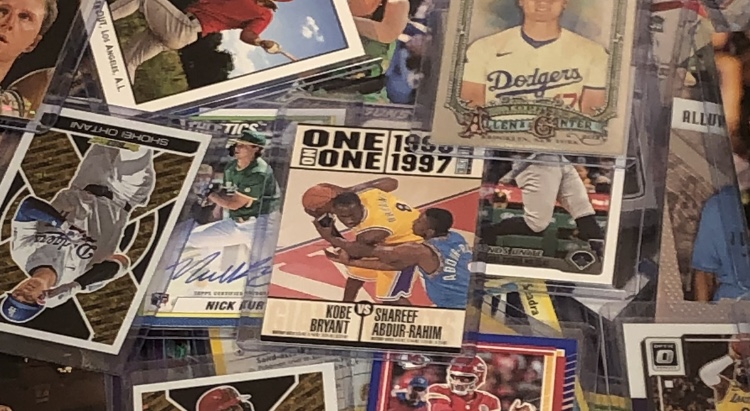
Error cards that feature the wrong stats, miscuts along with other noticeable errors of greats frequently might worth something. Many people don’t understand why rookie cards are worth a lot more when they first come onto the scene. Speculation is the result not the underlying reason. The underlying reason why many rookie cards are worth more when they first come out than years later is the expectation drop off. Most athletes will never become a hall of famer never mind being an all-time great. Every year a league will draft lots of players but only a few will ever become good enough to evoke an emotion when people see their cards years later. This is very similar in concept to options where at-the-money and out-of-the-money options have significant different valuables due to time value of money.
By far the most important concept most collectors, heck probably most people, never grasp is you are suppose to make money in everything you do. The conventional expectation is money grow more grow, including resources growing more resources. The default of expending efforts is to generate more resources. If you are not getting that kind of results, then you are probably doing something wrong. The whole world strives when everyone gets rewarded for their efforts. How could the hobby and the world economy grow and how does inflation happen if no one is making money to create demands for additional sales and profits? If you are not making money, it’s probably because there is a misalignment between your resources and market expectations.